
Baby
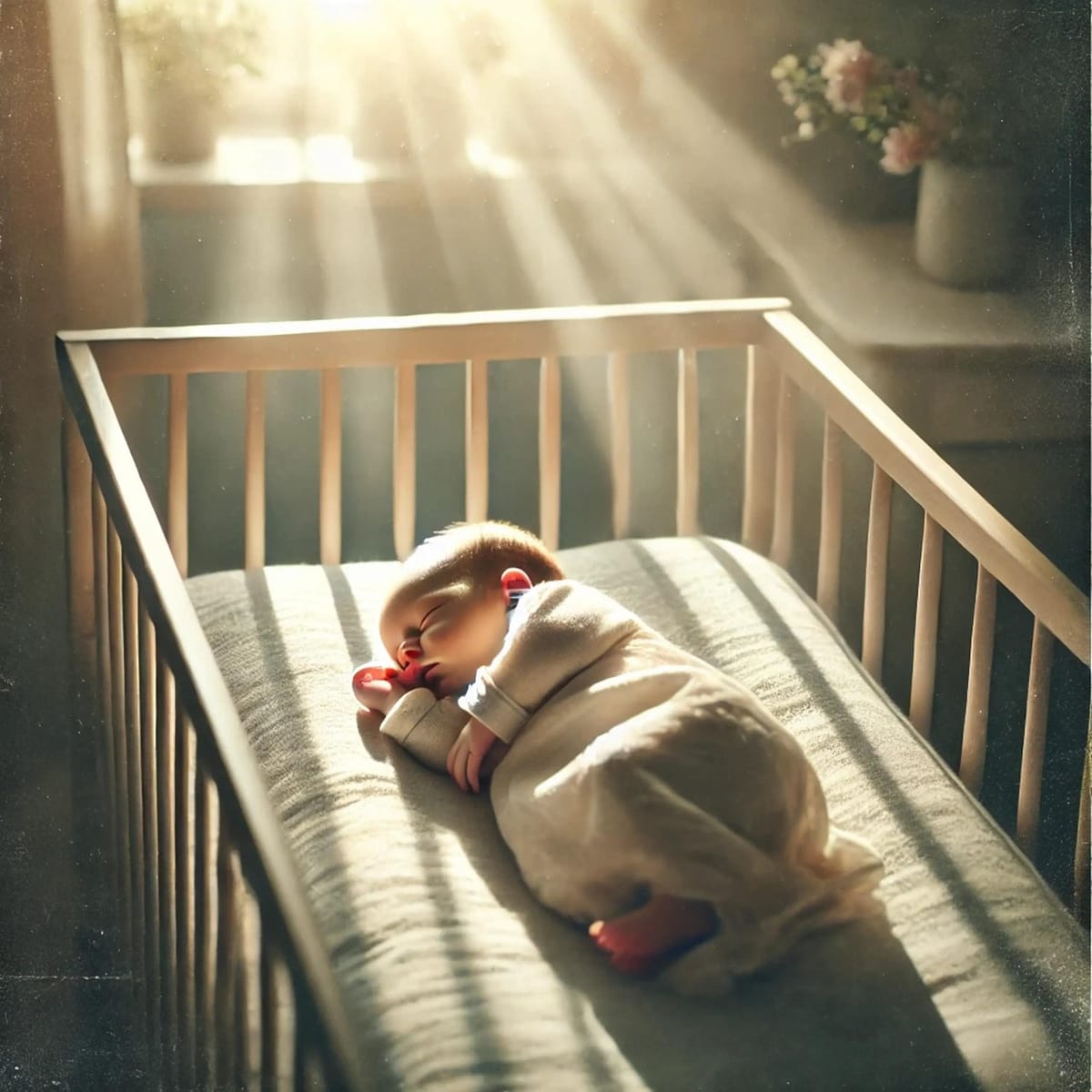
I can't recall the sensations I had when I was born, the temperature in the womb, how I "walked" out of the birth canal, the feeling of the first contact with an environment different from that inside my mother's body, who the first person I saw was, whether it was a sunny day that day, whether I cried, when I started eating... "The world" was completely new to me at that time. It wasn't until much later that I learned the word "world". Who was my mother? Who was my father? At that time, I didn't think about these things. Not because I had "no time to think", but because it was impossible to think. This was my setting as a "biological being".
In China, "from the time I can remember" is often used in literary expressions and is also easy to resonate with because the time before "remembering things" can only be others' memories rather than my own, and can only be expressed by others rather than me. And "from the time I can remember", my feelings began to connect with my consciousness.
However, some theories suggest that my personality traits originated from this period before "remembering things". During this period, my subconscious began to form. It came from the "pre-remembering things" following biological instincts of "seeking benefits and avoiding harm" and the feelings towards certain scenes and the non-verbal behaviors I made. Modern theories classify this as the "attachment model", which is roughly divided into "secure type, avoidant type, ambivalent type and chaotic type". In today's terms, this is actually the "game" between "pre-remembering things" and the provider of intimate relationships (usually the mother) - that is, my biological nature guides me on how to obtain intimate relationships, using all the means I can use. If it works, then this means brings positive feelings and it is recorded by the biological entity; when this means don't work, then my biological entity activates the defense mechanism to avoid being harmed, such as "avoidance" - it will become the original template for the "unconscious behavior" that appears in my future life.
After "remembering things", people's feelings and consciousness began to connect, and life began to unfold gradually, like a new bud breaking through the soil.
Until one day, looking back at that moment, I began to doubt my feelings.
Is it real? Is it correct? Should it be like this? When this question is asked outwardly, the answer is doomed to be unobtainable, because it indicates that the foundation of one's self-perception has been shaken. That is to say, it is not who should answer this question or whether there is an answer, but rather that this question itself is the result of "the shaking of the foundation of self-perception".
我记不清自己出生时候的感觉,子宫内的温度,如何“走”出产道,第一次接触不同于母亲体内的环境时的感觉,见到的第一个人是谁,那天是否是个晴天,我有没有哭,什么时候开始吃东西......“世界”对那时的我是全新的,要到很久以后,我才学会“世界”这个词语。谁是我的母亲?谁是我的父亲?那时候我不想这些,不是“没时间想”,而是不可能想,这是我作为“人这种生物”的设定。
在中国,“当记事起”常被用作文学表达,也很容易引起共鸣,因为“记事”前的时光,只能是别人的记忆而不是我的记忆,也只能由别人来表达而不是我来表达,而“当记事起”,自己的感受开始与意识建立连接。
然而一些理论表明,我的性格成因来自于“记事前”这一段时光,在这段时光内,我的潜意识开始形成,来自于“记事前”遵从于生物本能的“趋利避害”和对某些场景的感受以及做出的非语言行为,现代的理论归类为“依恋模型”,大概会分为“安全型、回避型、矛盾型和混乱型”,用今天的话来说,这其实是“记事前”与亲密关系提供者(通常是母亲)的“博弈”—即我的生物性指导我如何去获取亲密关系,用我可能使用的所有手段,如果它奏效了,那么这个手段带来了正向的感受,它被生物体记录;当我的手段都不奏效,那么我的生物体启动防御机制来避免受到伤害,比如“回避”-—它会成为我今后人生出现的“下意识行为”的原始模版。
当“记事”之后,人的感受与意识开始有了关联,人生开始徐徐展开,如破土而出的新芽。
直到有一天,回头望向那一刻,开始怀疑自己的感受。
它是真实的吗?它对吗?它应该是这个样子吗?当向外问出这个问题的时候,答案注定无法获得,因为这代表者自我感受的根基动摇了。即,不是这个问题应该由谁来回答,是否有答案,而是这个问题它本身是“自我感受根基动摇”的结果。